Meet Axol: The Dual-Arm Robot Bringing Physical AI to Real-World Tasks
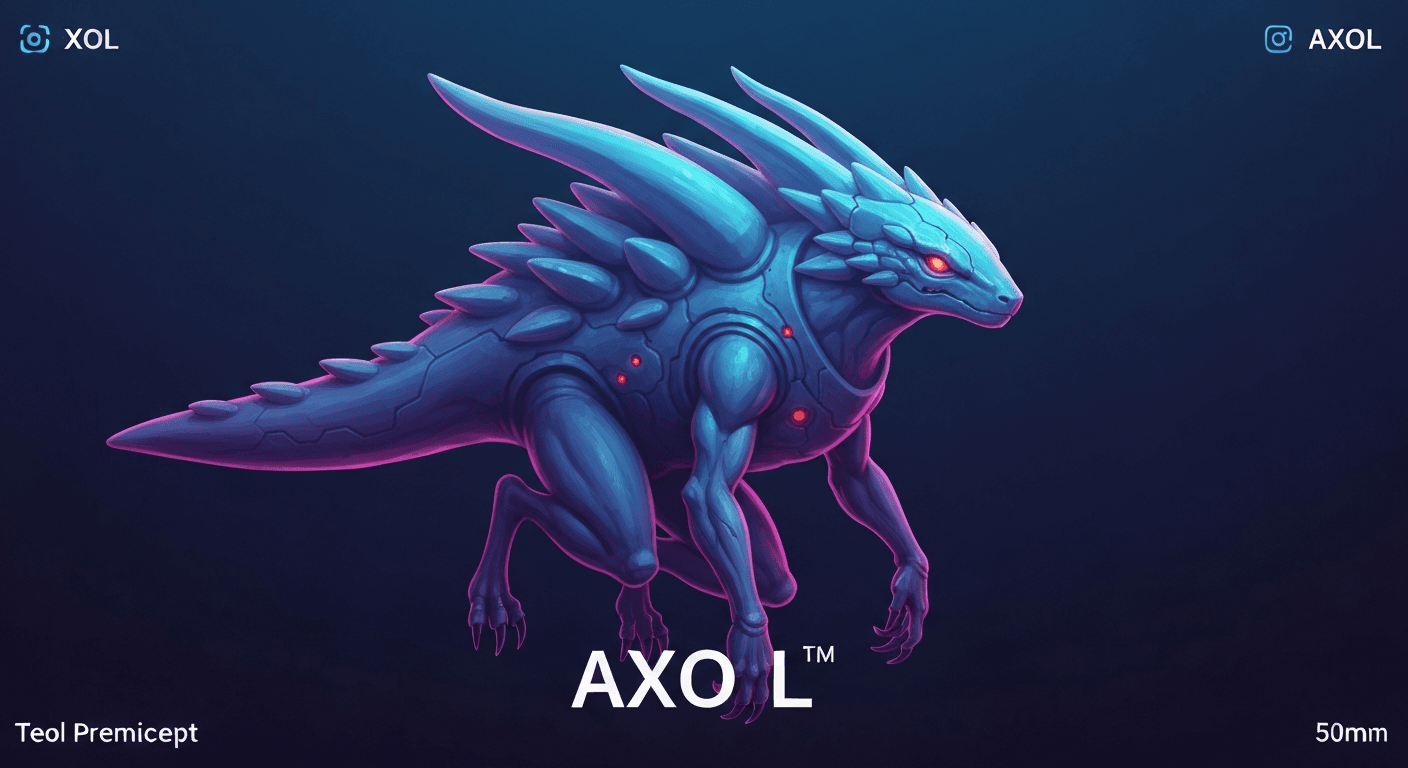
The world of automation is constantly evolving, and at the forefront of this change are innovative tools designed to tackle complex physical tasks. Today, we're excited to introduce Axol, a powerful new dual-arm robot recently launched on Product Hunt, promising to redefine how businesses and individuals approach physical AI. Created by the team at Almond, Axol aims to bridge the gap between theoretical robotics and practical, real-world application, making automation more accessible and effective for a wide range of uses.
For freelancers, consultants, and businesses looking to streamline operations, reduce manual labor, and enhance efficiency in physical environments, Axol presents a compelling solution. This isn't just another robot; it's a system built from the ground up to overcome the common frustrations associated with traditional robotic deployments, offering a robust, intelligent, and highly adaptable platform for automating work that truly matters.
The Challenge of Physical Automation: Why Axol Was Built
Before Axol, many robotic solutions often fell short when faced with the unpredictable nature of real-world physical tasks. The co-founders of Almond themselves experienced these challenges firsthand in grocery stores and factories. They found that data collection for training robots was often cumbersome, robot reach and payload capabilities were frequently limited, and motion constraints led to reduced usable workspace. Add to that issues like unreliable cables, slow support, and robots primarily designed for demonstrations rather than practical, continuous operation, and it's clear there was a significant need for something better.
This firsthand experience directly fueled the development of Axol. The team at Almond set out to create the robot they wished they had – a system engineered for durability, flexibility, and seamless integration into diverse work environments. Their goal was to move beyond the "demo robot" era and deliver a tool truly capable of performing "real work" with physical AI.
Who Can Benefit from Axol?
Axol is designed for a broad audience, particularly those who stand to gain the most from efficient physical automation:
- Freelancers & Consultants: If you're advising clients on automation strategies or implementing solutions for them, Axol offers a high-performance, adaptable platform that can handle a variety of physical tasks. Its open-source software and customizable design mean you can tailor solutions to specific client needs, providing a competitive edge.
- Small to Medium Businesses (SMBs): Companies in manufacturing, logistics, warehousing, or even specialized service industries can leverage Axol to automate repetitive or labor-intensive physical processes. This can lead to increased output, improved safety, and better resource allocation without the massive upfront investment or specialized expertise often required by traditional industrial robots.
- AI Researchers & Robotics Teams: With its advanced hardware, comprehensive open-source software development kit (SDK), and emphasis on data collection, Axol is an ideal platform for cutting-edge research and development in physical AI. The ability to easily collect high-quality, labeled manipulation data is a game-changer for training new AI policies.
- Anyone Looking to Automate Physical Tasks: From intricate assembly to material handling, Axol's versatility makes it suitable for automating a wide range of physical work that benefits from precise, dual-arm manipulation.
Key Features That Make Axol Stand Out
Axol isn't just a collection of parts; it's a thoughtfully engineered system designed for performance and reliability in real-world scenarios. Here are some of its standout features:
-
Dual-Arm Design: Unlike single-arm robots, Axol features two independent 7-DOF (Degrees of Freedom) arms. This dual-arm configuration significantly expands the range of tasks it can perform, enabling complex bimanual operations or doubling the cycle time for single-arm tasks.
-
Extended Reach & Payload: Each arm boasts an 860mm reach, allowing Axol to access a wider workspace than many comparable dual-arm platforms without needing to be repositioned. With a 6.5kg peak payload per arm, it can handle substantial objects, making it suitable for a variety of material handling and assembly tasks.
-
Superior Dexterity: The arms offer a full 180° pitch and yaw at the wrist. This design choice dramatically reduces shoulder singularities, which are common points of limited movement in many robots. The result is a larger effective workspace and much smoother, more natural trajectories for complex manipulations.
-
Robust and Durable Construction: Built with steel, aluminum, and TPU, Axol is designed for long-term reliability in demanding production environments. Its internal components are well-protected, ensuring consistent performance.
-
Integrated Cable Management: All cables are internally routed, protecting them from damage and wear while maintaining a clean, professional appearance. This detail is crucial for longevity and reducing downtime in active work settings.
-
Advanced Machine Vision Support: Axol supports wrist-mount cameras with FAKRA GMSL 2.0 passthrough connectors. This enables high-speed, low-latency machine vision capabilities, critical for precise object recognition, manipulation, and quality control in automated workflows. This is particularly useful for AI-driven tasks where visual feedback is paramount.
-
Modular and Customizable Design: Axol is built to be adaptable. Its modular design allows for easy integration with existing hardware stacks, such as mobile bases, telescoping lifts, or custom platforms. This flexibility ensures Axol can fit into diverse operational setups and be modified to meet specific application requirements.
The Power of Open-Source Software
One of Axol's most significant advantages, especially for developers, researchers, and consultants, is its comprehensive open-source software stack. Almond provides everything needed to go from raw joint control to trained AI policies.
-
Python SDK and CLI: A robust Python Software Development Kit and Command Line Interface provide powerful tools for controlling Axol. This includes a bimanual Inverse Kinematics (IK) solver for complex coordinated movements, a low-level CAN motor interface for direct control, and ZED camera streaming capabilities.
-
LeRobot Bindings: Integration with LeRobot bindings means researchers and developers can leverage existing frameworks for training and deploying robot learning models.
-
Joint Tuning Toolkit: This toolkit allows for fine-tuning the robot's movements, optimizing performance for specific tasks and environments.
-
WebXR VR Teleoperation: Axol offers a WebXR VR teleoperation pipeline, enabling intuitive control and data collection through compatible virtual reality headsets. This allows operators to guide the robot with natural hand and elbow movements, collecting valuable data for training AI models in real-time.
-
Extensibility: The entire software platform is open source and designed to be extended, fostering a community of innovation and allowing users to build, train, and deploy custom solutions tailored to their unique needs.
How Axol Solves Real-World Problems
Axol addresses several critical pain points in physical automation:
-
Simplifying Data Collection: Training AI models for physical tasks requires vast amounts of high-quality data. Axol's integrated data collection capabilities, especially with VR teleoperation, make this process more efficient and less "painful" than traditional methods.
-
Increasing Automation Flexibility: Its dual-arm design, extensive reach, and high dexterity mean Axol can perform a broader array of tasks compared to simpler robotic systems, adapting to different environments and workflows.
-
Reducing Downtime and Maintenance: Features like internally routed cables and a durable build contribute to greater reliability, minimizing the risk of component failure and reducing the need for frequent maintenance.
-
Enabling Complex Bimanual Tasks: Many real-world tasks, from assembly to intricate manipulation, require two hands. Axol's dual-arm setup excels in these scenarios, opening up new possibilities for automation.
Use Cases for Axol
Given its capabilities, Axol can be applied across numerous industries and scenarios:
-
Manufacturing & Assembly: Precision assembly of small components, quality inspection, sorting, and packaging. The dual arms can significantly speed up assembly lines.
-
Logistics & Warehousing: Picking and placing items, organizing inventory, loading and unloading, especially for irregularly shaped objects that challenge traditional single-arm robots.
-
Research & Development: A versatile platform for AI researchers to test new physical AI algorithms, develop advanced manipulation skills, and gather diverse datasets for robot learning.
-
Specialized Services: Tasks requiring delicate handling or complex sequences, such as in laboratories, kitchens, or even certain service robotics applications where human-like dexterity is beneficial.
-
Custom Automation Projects: Consultants and system integrators can use Axol as a core component for building bespoke automation solutions for clients across various sectors. Its modularity and open-source nature make it ideal for customization.
The Company Behind Axol: Almond
Axol is the brainchild of Almond, a company focused on building robots for the era of physical AI. Founded by individuals with direct experience in the challenges of real-world robot deployment, Almond is committed to creating capable, deployable, and reliable robotic systems. The company launched Axol in 2026 and assembles its robots in San Francisco, emphasizing local support and responsiveness.
Pricing and Availability
While specific pricing tiers are not publicly listed, Almond offers a transparent approach to their services. Axol itself is available, with pricing provided upon request. Additionally, Almond provides specialized services such as high-quality, labeled manipulation data collection for your specific tasks, priced per hour of usable data. They also offer on-site repair services for deployments within the SF Bay Area, highlighting their commitment to practical support.
For customization and integration with existing hardware, Almond also offers modification services, ensuring Axol can be tailored to meet unique application requirements.
Conclusion: A New Era for Physical AI
Axol represents a significant step forward in the field of physical AI. By focusing on the real-world challenges faced by businesses and researchers, Almond has engineered a dual-arm robot that is not only powerful and precise but also adaptable and user-friendly, thanks to its open-source software and modular design.
For freelancers and consultants looking to offer cutting-edge automation solutions, or for businesses aiming to enhance their operational efficiency, Axol provides a robust platform to automate physical work. Its launch marks a new chapter where complex physical tasks can be tackled with greater ease and reliability, paving the way for more intelligent and automated workflows in various industries. To learn more and explore its capabilities, visit the official Almond website. Visit Almond.bot.