Key Takeaways
- LLM Engineering is a specialized field blending machine learning, software development, and natural language processing to build and deploy applications using large language models.
- A successful LLM Engineer in 2026 needs strong Python skills, a deep understanding of LLM mechanics, expertise in prompt engineering, and practical experience with frameworks like LangChain or LlamaIndex.
- The roadmap involves mastering foundational ML, exploring prompt engineering techniques, understanding data strategies like RAG and fine-tuning, and gaining proficiency in MLOps for LLM deployment.
- Continuous learning is key, as the LLM landscape evolves rapidly, with new models, tools, and best practices emerging regularly.
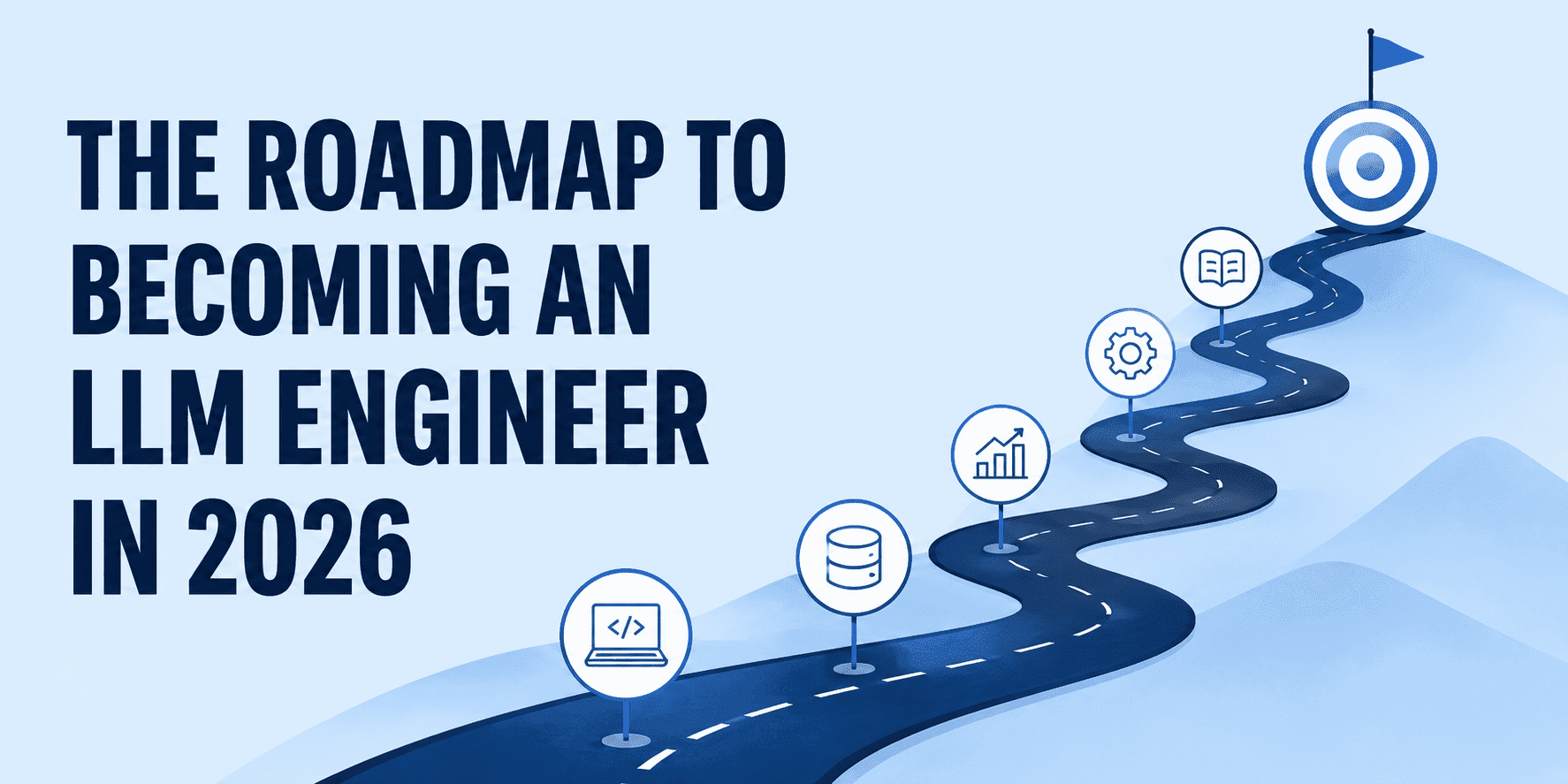
The Roadmap to Becoming an LLM Engineer in 2026
The world of Artificial Intelligence is moving at an incredible pace, and at its forefront are Large Language Models (LLMs). These powerful AI systems, like OpenAI's GPT series, Google's Gemini, or Meta's Llama, have transformed how we interact with technology, opening up new possibilities for automation, content creation, and intelligent applications. But building robust, reliable, and scalable applications with these models isn't just about calling an API; it requires a specialized skill set. This is where the LLM Engineer comes in. If you're a machine learning practitioner, a software developer, or anyone with a solid tech background looking to make a significant impact in the AI space, becoming an LLM Engineer in 2026 is a highly rewarding path. This role combines deep technical knowledge with practical application development, bridging the gap between cutting-edge research and real-world products.What Exactly Does an LLM Engineer Do?
An LLM Engineer is essentially a software engineer with a strong focus on Large Language Models. Their primary goal is to design, develop, deploy, and maintain applications that leverage LLMs. This isn't just about training models from scratch; it's often more about intelligently integrating existing powerful models, customizing them, and building the surrounding infrastructure to make them useful and performant in specific contexts. Think of it this way: a traditional machine learning engineer might focus on building and training a computer vision model. An LLM Engineer, on the other hand, takes a pre-trained LLM and figures out how to make it answer customer support queries, generate marketing copy, summarize long documents, or even act as an intelligent agent capable of performing complex tasks by using external tools. It's a blend of prompt engineering, data wrangling, software architecture, and MLOps, all centered around the unique capabilities and challenges of LLMs.Why This Role Matters Now More Than Ever
The explosion of LLM capabilities has created a demand for professionals who can translate these powerful models into tangible business value. While research scientists push the boundaries of LLM architecture, LLM Engineers are the ones who bring these innovations to life in production environments. Without them, many of the incredible LLM-powered applications we see today, from advanced chatbots to sophisticated code generators, simply wouldn't exist. The role is crucial for:- Building reliable applications: Ensuring LLMs provide accurate, relevant, and safe outputs.
- Optimizing performance: Making LLM applications fast, efficient, and cost-effective.
- Customizing LLMs: Adapting models to specific domains or tasks through fine-tuning or retrieval augmentation.
- Integrating with existing systems: Connecting LLMs to databases, APIs, and other software components.
- Scaling solutions: Deploying and managing LLM applications in a production environment.
The 2026 Roadmap: Your Step-by-Step Path to Becoming an LLM Engineer
This roadmap outlines the essential skills and knowledge areas you'll need to master. Keep in mind that continuous learning is paramount in this fast-evolving field.Step 1: Solidify Your Programming and Machine Learning Fundamentals
Before diving deep into LLMs, a strong foundation is non-negotiable.
- Python Proficiency: Python is the lingua franca of AI. You need to be comfortable with its syntax, data structures, object-oriented programming, and common libraries like NumPy and Pandas for data manipulation.
- Machine Learning Basics: Understand core ML concepts such as supervised vs. unsupervised learning, model evaluation metrics, overfitting, underfitting, and basic algorithms. You don't need to be a deep learning research scientist, but a conceptual grasp is vital.
- Deep Learning Fundamentals (Conceptual): Get familiar with neural networks, activation functions, backpropagation, and the concept of embeddings. While you won't necessarily build a transformer from scratch, understanding its high-level architecture is crucial for LLMs. Resources like DeepLearning.AI offer excellent courses.
Step 2: Dive Deep into Large Language Models
This is where you start specializing.
- How LLMs Work (High Level): Understand the transformer architecture conceptually, attention mechanisms, and the pre-training/fine-tuning paradigm. Don't get bogged down in every mathematical detail, but grasp the core ideas.
- Key LLM Architectures & Models: Familiarize yourself with prominent models like OpenAI's GPT series, Google's Gemini, Meta's Llama family, and open-source alternatives available on Hugging Face. Understand their strengths, weaknesses, and typical use cases.
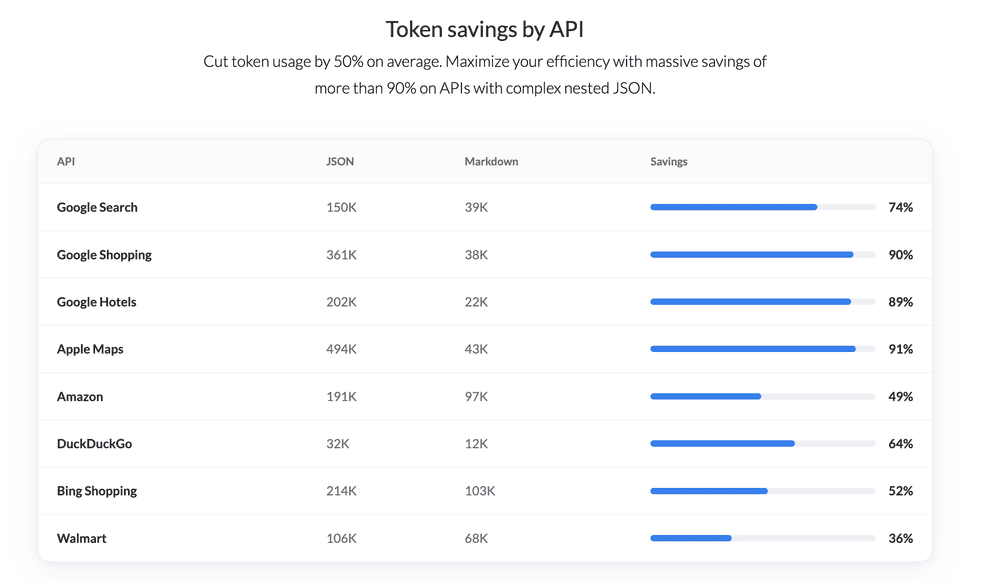
- Tokenization: Learn what tokens are, how text is converted into tokens, and the impact of different tokenization strategies.
- Embeddings: Understand what embeddings are, how they represent semantic meaning, and how they are used in LLM applications (e.g., for similarity search, RAG).
Step 3: Master Prompt Engineering
This is arguably one of the most immediate and impactful skills for an LLM Engineer.
- Basic Prompting: Learn how to craft clear, concise instructions for LLMs.
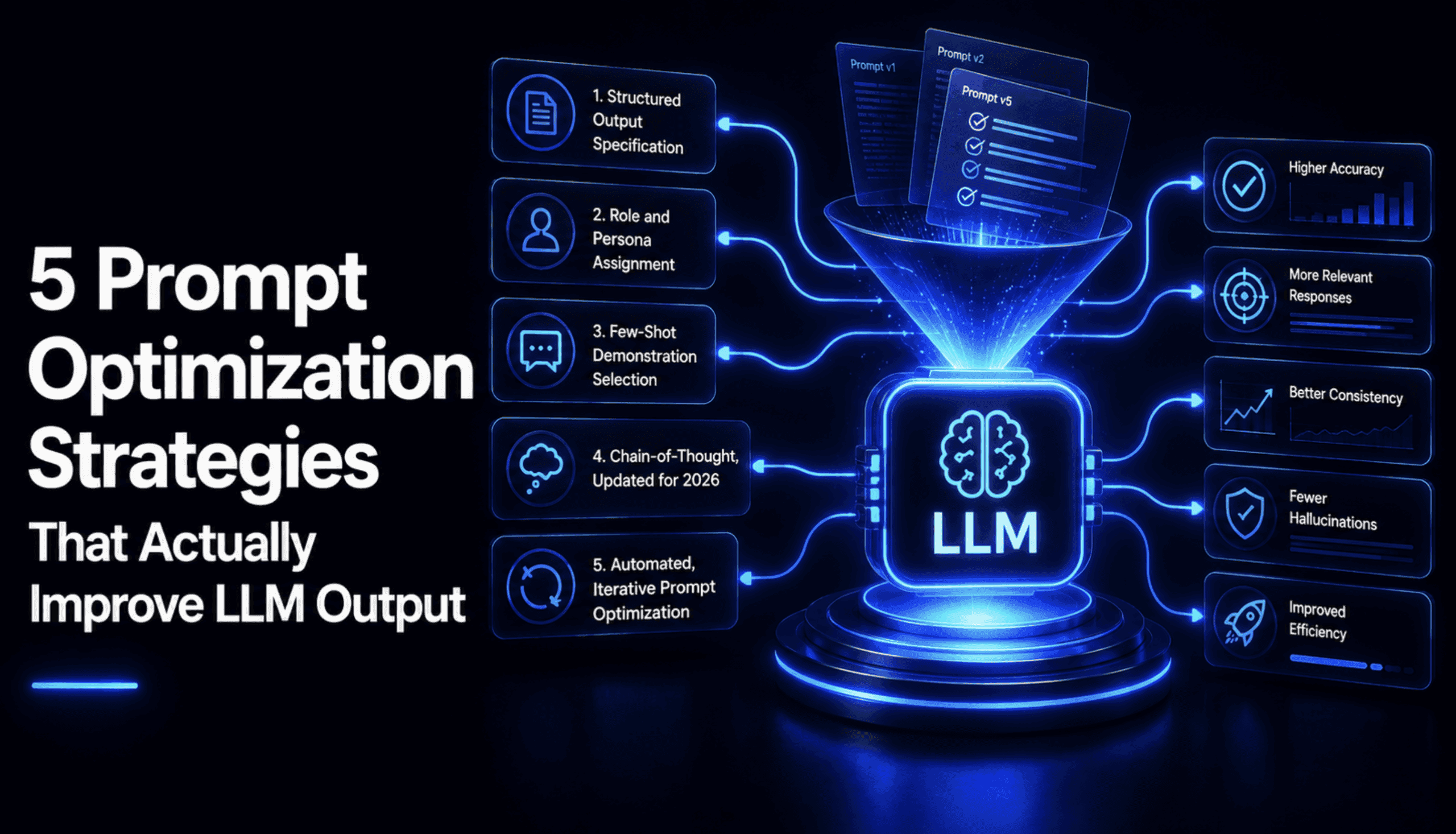
- Advanced Prompting Techniques: Explore few-shot learning, chain-of-thought prompting, tree-of-thought, and other strategies to guide LLMs to better outputs.
- Prompt Tuning & Optimization: Understand how to iterate on prompts, test their effectiveness, and optimize them for specific tasks.
- Guardrails & Safety: Learn techniques to prevent undesirable outputs, hallucinations, and biases, including using system prompts and moderation APIs.
Step 4: Build Applications with LLM Frameworks
These frameworks streamline LLM application development.
- LangChain: Become proficient with LangChain, a popular framework for building LLM-powered applications. Understand its core components: Chains, Agents, Prompts, Models, Document Loaders, and Retrievers. LangChain's extensive integrations make it incredibly versatile.
- LlamaIndex: Learn LlamaIndex, which focuses heavily on data ingestion, indexing, and querying for LLM applications, especially for RAG use cases. Understand its data connectors, index structures, and query engines.
- Hugging Face `transformers`: While LangChain/LlamaIndex are higher-level, direct interaction with the Hugging Face `transformers` library is essential for working with open-source models, fine-tuning, and understanding the underlying mechanics.
Step 5: Understand Data Strategies: RAG and Fine-tuning
These are critical for making LLMs relevant and accurate for specific domains.
- Retrieval Augmented Generation (RAG):
- Vector Databases: Learn about vector databases like Pinecone, Weaviate, Milvus, or ChromaDB, which store and retrieve vector embeddings.
- Embeddings & Embeddings Models: Understand how to generate high-quality embeddings using models like OpenAI's `text-embedding-ada-002` or various open-source models.
- Retrieval Techniques: Explore different ways to retrieve relevant information from your knowledge base to augment LLM prompts.
- Fine-tuning LLMs:
- When to Fine-tune: Understand the scenarios where fine-tuning an LLM (vs. RAG or advanced prompting) is the most appropriate strategy.
- Techniques: Familiarize yourself with Parameter-Efficient Fine-Tuning (PEFT) methods like LoRA (Low-Rank Adaptation), which allow you to adapt large models with less computational cost.
- Data Preparation: Learn how to prepare high-quality datasets for fine-tuning.
- Tools for Fine-tuning: Use libraries like Hugging Face `transformers` or cloud-specific tools (e.g., Google Vertex AI, AWS SageMaker) for fine-tuning.
Step 6: Master Deployment and MLOps for LLMs
Getting an LLM application from development to production is a distinct challenge.
- Containerization: Learn Docker for packaging your applications and their dependencies.
- Orchestration: Understand Kubernetes for deploying and managing containerized applications at scale.
- Cloud Platforms: Gain experience with major cloud providers like AWS (e.g., SageMaker, Lambda), Google Cloud Platform (e.g., Vertex AI, Cloud Run), or Microsoft Azure (e.g., Azure Machine Learning, Azure Container Apps) for hosting and scaling LLM services.
- API Development: Build RESTful APIs (using Flask, FastAPI) to expose your LLM applications.
- Monitoring & Logging: Implement tools and practices for tracking performance, costs, and potential issues in production.
- Cost Optimization: Learn strategies to manage the often-high inference costs associated with LLMs.
Step 7: Explore Advanced Topics and Best Practices
Stay ahead by exploring emerging areas.
- Agentic Workflows: Understand how to build LLM-powered agents that can interact with external tools, APIs, and databases to perform complex, multi-step tasks. LangChain's Agent capabilities are a good starting point.
- Evaluation & Testing: Develop strategies for evaluating LLM outputs for correctness, coherence, and safety, including automated metrics and human-in-the-loop validation.
- Responsible AI & Ethics: Be aware of biases, fairness concerns, privacy implications, and ethical considerations when building and deploying LLM applications.
- Performance Optimization: Techniques like quantization, distillation, and model pruning for making LLMs run faster and consume less memory.
What This Means for AI Practitioners or Freelancers
For existing AI practitioners, this roadmap provides a clear transition path. If you're already an ML engineer, many of your foundational skills are transferable. The key is to shift your focus from traditional model training to LLM integration, prompt engineering, and leveraging specialized frameworks. For freelancers, becoming an LLM Engineer opens up a massive market. Businesses are eager to integrate LLMs but often lack the in-house expertise. As an LLM Engineer, you could offer services ranging from building custom chatbots, creating intelligent content generation tools, developing data analysis assistants, or optimizing existing LLM deployments. The ability to quickly prototype and deploy LLM solutions will make you highly valuable.Conclusion
The role of an LLM Engineer is dynamic, challenging, and incredibly exciting. As LLMs continue to evolve, so too will the skills required to harness their full potential. By following this roadmap, committing to continuous learning, and gaining hands-on experience, you can position yourself at the forefront of AI innovation in 2026 and beyond. This isn't just about understanding models; it's about building the future of intelligent applications.Frequently Asked Questions
What background do I need to start learning LLM Engineering?
A strong background in programming, particularly Python, and a basic understanding of machine learning concepts are essential. While a computer science degree is helpful, many successful LLM engineers come from diverse technical backgrounds and are self-taught or have completed specialized bootcamps.
Is LLM Engineering mostly about prompt engineering?
Prompt engineering is a crucial skill, but it's only one piece of the puzzle. LLM Engineering encompasses a much broader set of skills, including data handling (RAG, fine-tuning), application development with frameworks, deployment, MLOps, and understanding the underlying models. It's about building end-to-end solutions, not just crafting clever prompts.
How quickly can someone become proficient in LLM Engineering?
Proficiency depends heavily on your starting point and dedication. If you have a solid software development or machine learning background, you could gain foundational LLM engineering skills within 6-12 months of focused study and practical project work. Continuous learning is necessary as the field evolves rapidly.
Which LLM frameworks are most important to learn for 2026?
As of now, LangChain and LlamaIndex are leading the pack for building complex LLM applications due to their comprehensive features for chaining components, managing data, and enabling agentic workflows. Familiarity with the Hugging Face `transformers` library is also highly valuable for working directly with open-source models and fine-tuning.