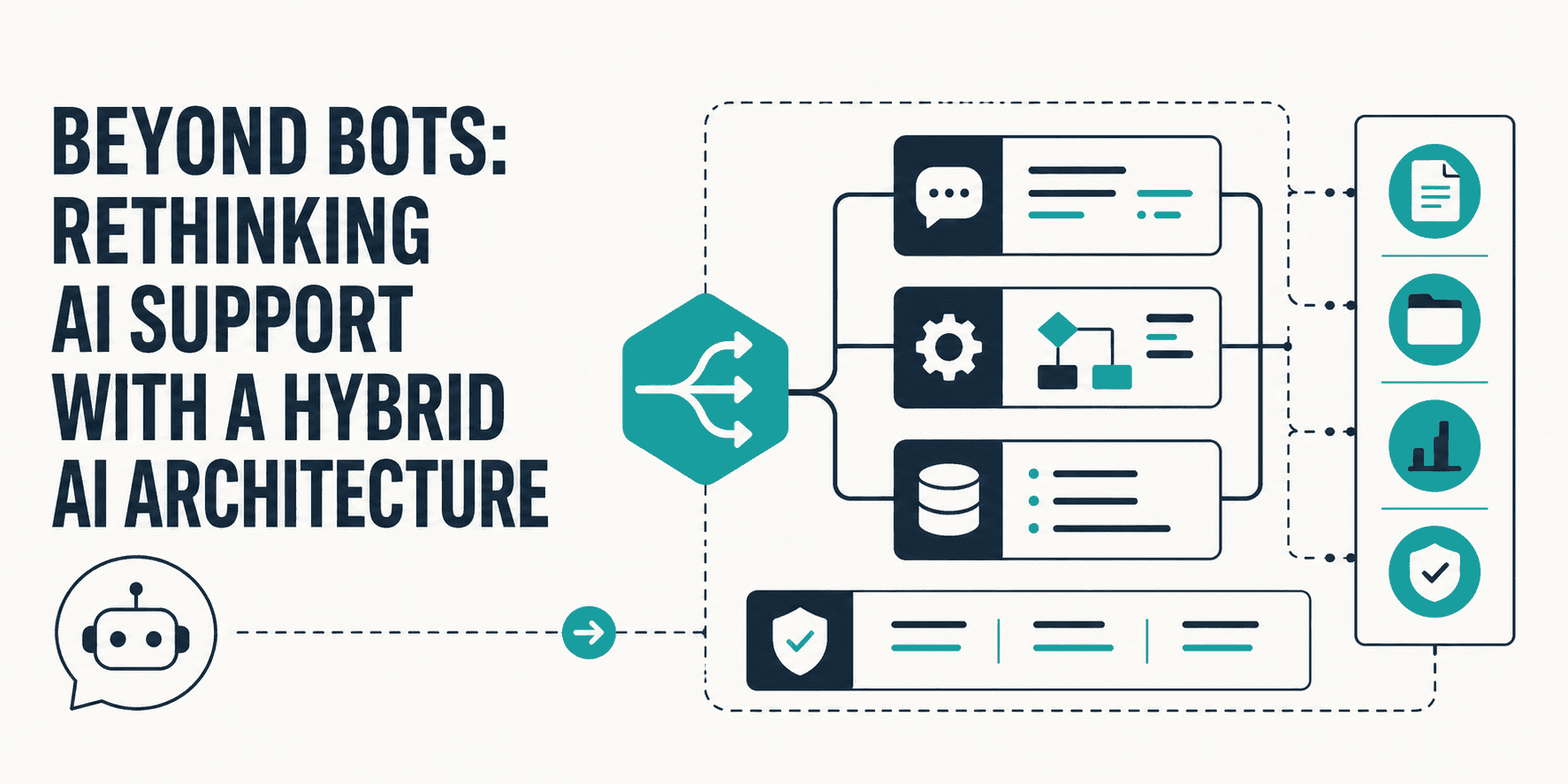
The search results confirm that combining RAG and fine-tuning (often called a "hybrid approach" or "RAFT" - Retrieval Augmented Fine-Tuning) is a recognized and effective strategy for building more robust AI systems, especially for enterprise-level applications like customer support.
Here are the key points from the search results that I will incorporate:
Problem with traditional AI: LLMs struggle with up-to-date information, domain-specific knowledge, consistent factual accuracy, token limits, context utilization, and hallucinations. Purely fine-tuned models can become outdated, and RAG-only systems depend heavily on retrieval quality and may lack domain-specific nuance or consistent tone.
RAG (Retrieval-Augmented Generation): Enhances LLM outputs by incorporating relevant information from external knowledge sources (e.g., knowledge bases, product documentation, FAQs) at query time. Benefits include access to current information, traceable answers, reduced hallucinations, and fine-grained data access control. It's cost-effective as it doesn't require model retraining for new data.
Fine-tuning: Adapts a pre-trained LLM for domain-specific tasks, improving its performance on targeted applications by adjusting its internal weights with a smaller, labeled dataset. Benefits include domain understanding, output consistency, specialized terminology, and specific reasoning patterns and communication styles.
Hybrid Architecture (RAG + Fine-tuning): Combines the strengths of both. Fine-tuning provides domain expertise, output format, and consistent tone, while RAG provides real-time, up-to-date factual information from dynamic knowledge bases. This leads to enhanced accuracy, flexibility, and adaptability.
How it works: The fine-tuned model leverages its domain expertise to retrieve the most relevant context, and then generates answers using that retrieved context, adhering to specific tone and format.
Benefits of hybrid: Consistently outperforms RAG-only or fine-tuning-only models. Provides responses that are behaviorally consistent and factually current. Improved customer satisfaction and reduced escalation to human agents (e.g., a global e-commerce platform saw 28% increase in satisfaction and 40% reduction in escalations). Better handling of low-resource languages.
Use Cases: Customer support chatbots, internal HR tools, research assistants, legal document analysis, healthcare information retrieval, technical documentation assistance.
Challenges: Data quality for both RAG and fine-tuning, computational cost, complexity of architecture, maintenance, and updates. Precision retrieval is also a challenge – getting just enough context without overwhelming the system or model.
Companies/Tools: While no specific single "tool" is mentioned as the "feed item," companies like Databricks, Elastic, Pinecone, Cohere, and Scale AI provide components or services that facilitate RAG and fine-tuning implementations. Vectara offers RAG as a fully managed SaaS. Invisible Technologies combines RAG with human-in-the-loop workflows.
Starting point: Organizations without large labeled datasets or extensive compute resources should often start with RAG for quick wins, then use observed query patterns to identify areas for fine-tuning.
I have enough information to write the detailed blog post. I will structure it according to the "tech-info" intent for the "tutorials-tech" category.
You Might Also Like
Sep 26, 2026·11 min· new
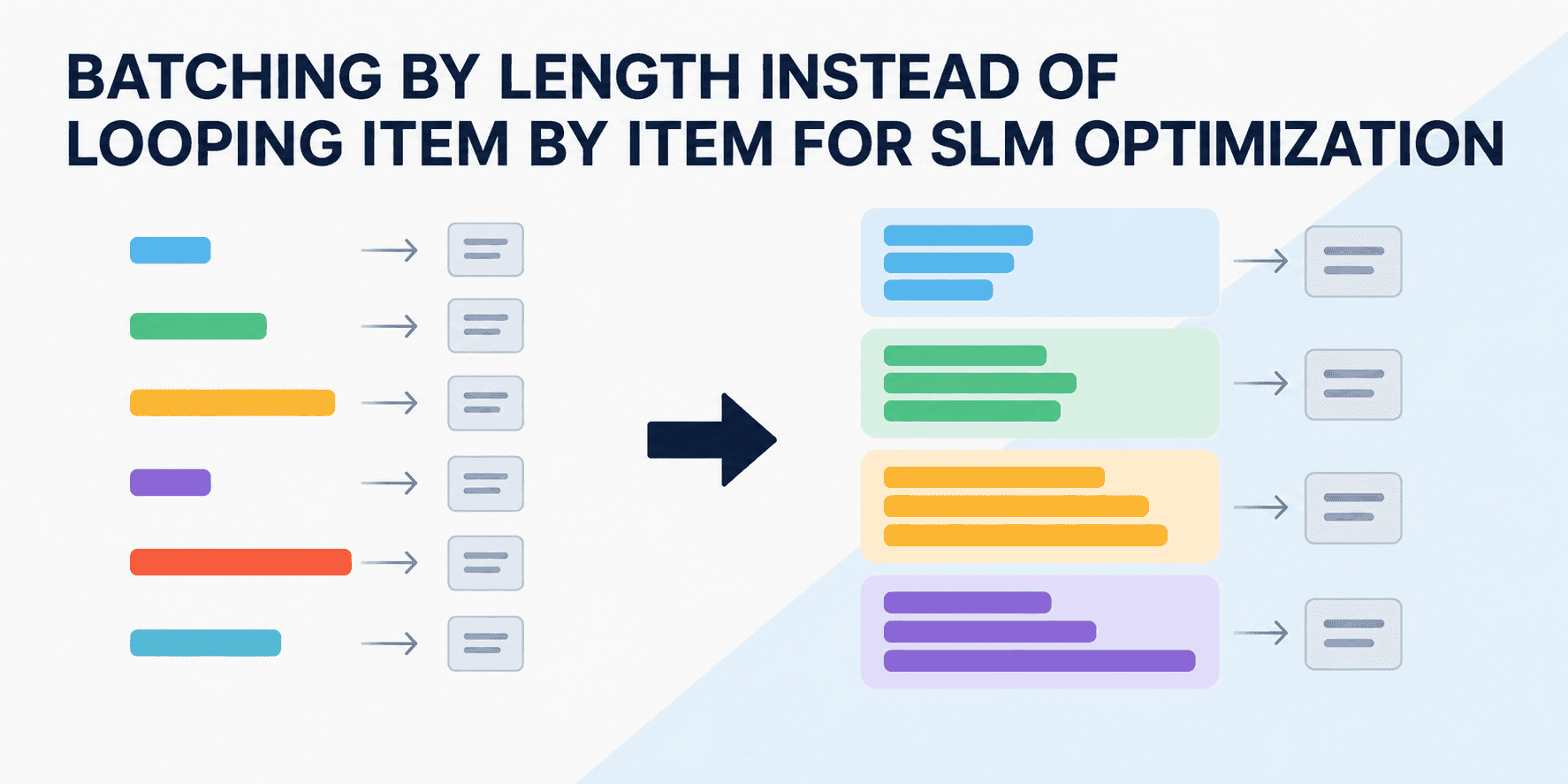
Batching by Length Instead of Looping Item by Item for SLM Optimization
Optimizing Small Language Models: Why Batching by Length is a Game Changer Small Language Models (SLMs) are becoming increasingly vital in the AI landscape. Unlike their larger, resource-intensive cou...

Sep 25, 2026·14 min· new
7 Advanced Python Tricks to Level Up Your Coding Skills
7 Advanced Python Tricks to Level Up Your Coding Skills Python is a fantastic language, widely loved for its readability and versatility. Many developers learn the basics and build functional applicat...
Sep 25, 2026·13 min· new
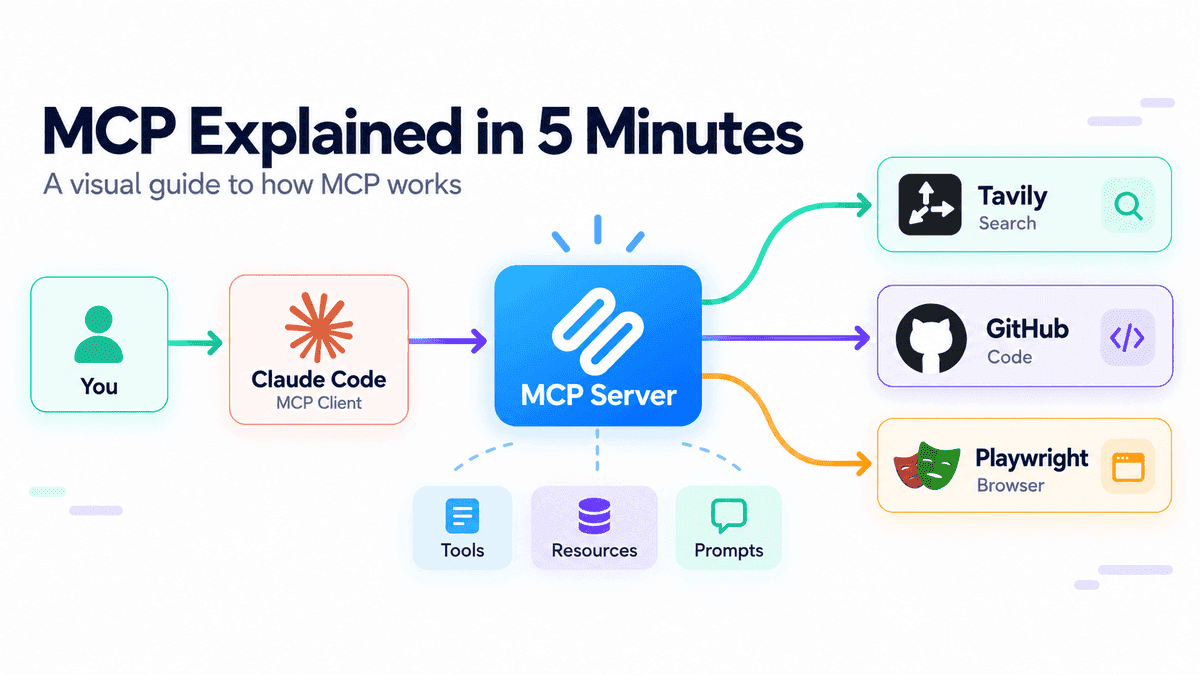
MCP Explained in 5 Minutes
Unlocking AI's Full Potential: A Deep Dive into the Model Context Protocol (MCP) In the rapidly evolving world of artificial intelligence, Large Language Models (LLMs) are becoming increasingly powerf...